
Tag Archives: Online Ordering System
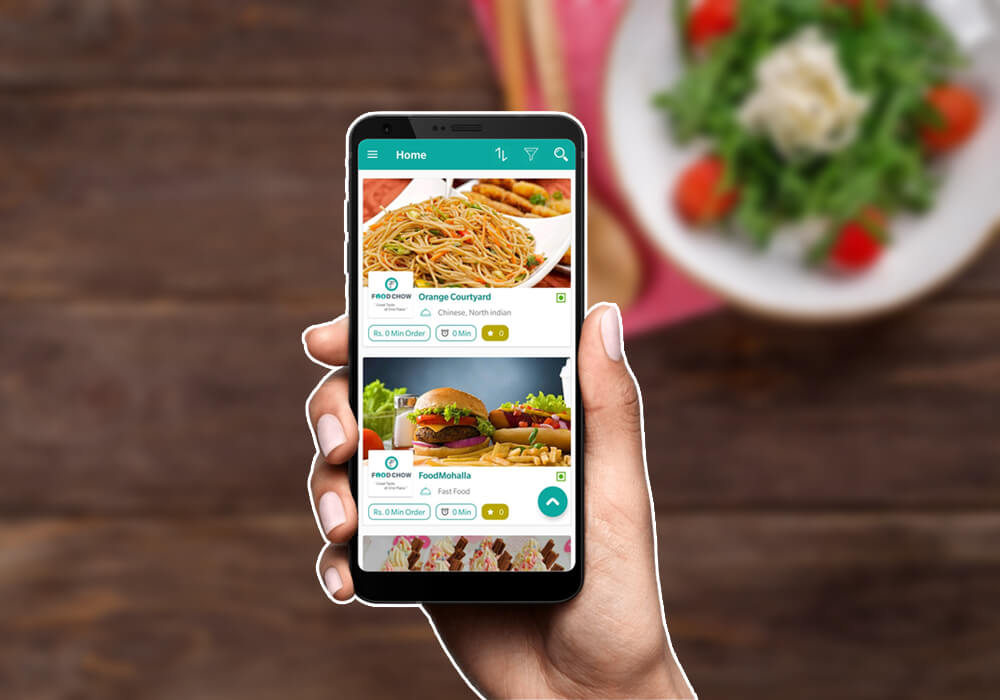
Contactless Ordering System for Restaurants: Complete Guide for 2026

The restaurant business in India is changing. People want their food to come fast. They want it to be clean. They want it to be easy to get.. They want to be in charge of how they order and pay for their food.
By the year 2026 restaurants need to have a system that lets people order without touching anything. This is not something that restaurants can choose to have or not. It is becoming a part of how modern restaurants, cafes, quick service restaurants and cloud kitchens work.
Contactless ordering systems are helping restaurants in ways. They are reducing the number of people waiting in line. They are helping restaurants serve people at the same time. These systems are changing how restaurants work every day. This guide will explain why Indian restaurants need to have a contactless ordering system if they want to be ready for the future. Indian restaurants need contactless ordering systems to keep up with the changing times. Contactless ordering systems are the way for restaurants in India.
Why Contactless Ordering System for Restaurants Is the New Standard in 2026
The year 2026 marks a turning point where contactless ordering systems for restaurants have transitioned from a "safety feature" to an operational backbone. Indian diners, now accustomed to 10-minute grocery deliveries and seamless digital payments, no longer have the patience for slow manual service.
A contactless system isn't just about replacing paper menus with QR codes; it’s about creating a friction-free ecosystem where the customer is in control. For the restaurant owner, it represents the ultimate tool to combat rising labor costs and the perennial challenge of staff attrition.
The Real Cost of Running a Restaurant Without a Contactless Ordering System
Many restaurant owners believe that sticking to traditional pen-and-paper ordering saves money. However, the "hidden leaks" in a manual setup are draining your bottom line:
• Order Inaccuracy: Handwritten KOTs (Kitchen Order Tickets) lead to mistakes, resulting in food waste and disgruntled guests.
• The "Waiting Gap": On average, a guest waits 8–12 minutes just to catch a waiter's eye, get a menu, and place an order.
• Lost Upsell Opportunities: Staff often forget to suggest a beverage or a dessert during a rush.
• Table Turnover Stagnation: When the bill takes 15 minutes to arrive and process, you lose the ability to seat the next waiting party.
In 2026, these inefficiencies translate to a 15–20% loss in potential daily revenue.
The Shift From Traditional Ordering to Contactless Dining Solutions
Dining in India is changing fast. We used to use physical menus then we started using "digital PDF menus" which were not always easy to read and now we have contactless dining solutions that make things easier.
New systems are connected to the restaurant's cash register. When a customer scans a QR code they do not just see a list of food they are actually looking at a list that shows what food is available, what the chef is recommending and how long it will take to get...
Best Work From Home Business Ideas 2025: Why FoodChow is the Future of Digital Income

Want a future-proof income? Start your FoodChow business from home in 2025—no investment, ₹50,000+ monthly potential, perfect for housewives, students & part-time professionals.
Work From Home Business with Restaurant Ordering Platform
Looking for a future-proof work from home business? Learn how a restaurant ordering platform lets you start free, earn recurring income, and serve thousands of restaurants going digital in 2025.
10 Common Restaurant Tech Problems and How FoodChow Solves Them
Discover 10 common tech problems restaurants face — from outdated POS systems to lost profits on commissions — and how FoodChow solves them with smart, affordable, all-in-one solutions.
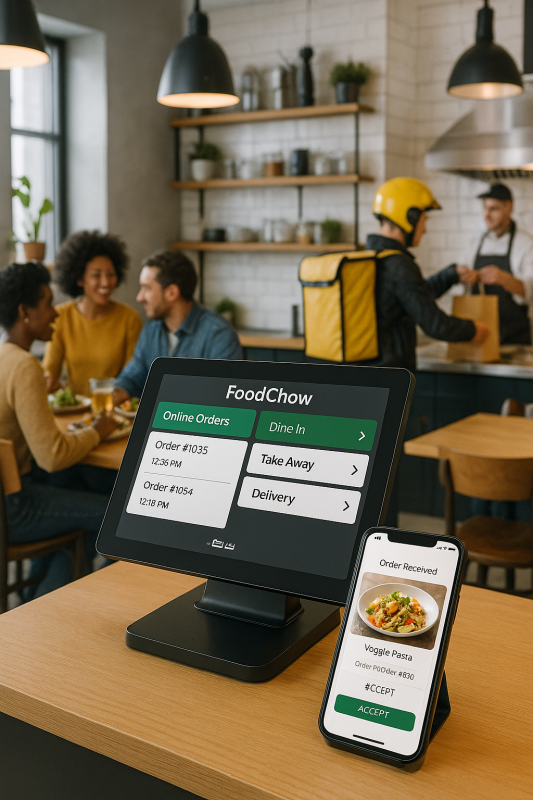
Why POS Resellers Should Push Foodchow Integration in 2025
Explore why POS resellers should integrate Foodchow in 2025 to offer commission-free online ordering, seamless POS integration, and customizeble solutions for restaurants.
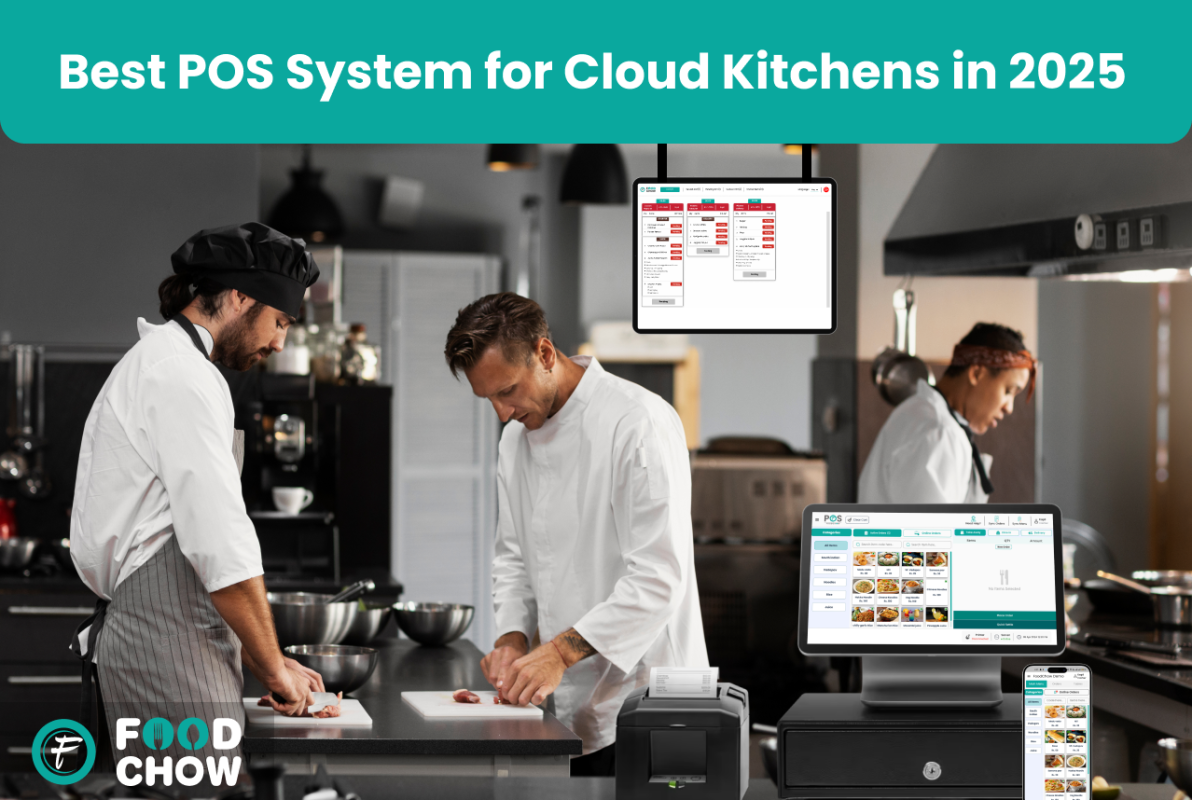
Why FoodChow Is the Best POS System for Cloud Kitchens in 2025
Discover why FoodChow is the best free POS system for cloud kitchens. Manage orders, inventory, delivery, and more – all in one place. No commissions.
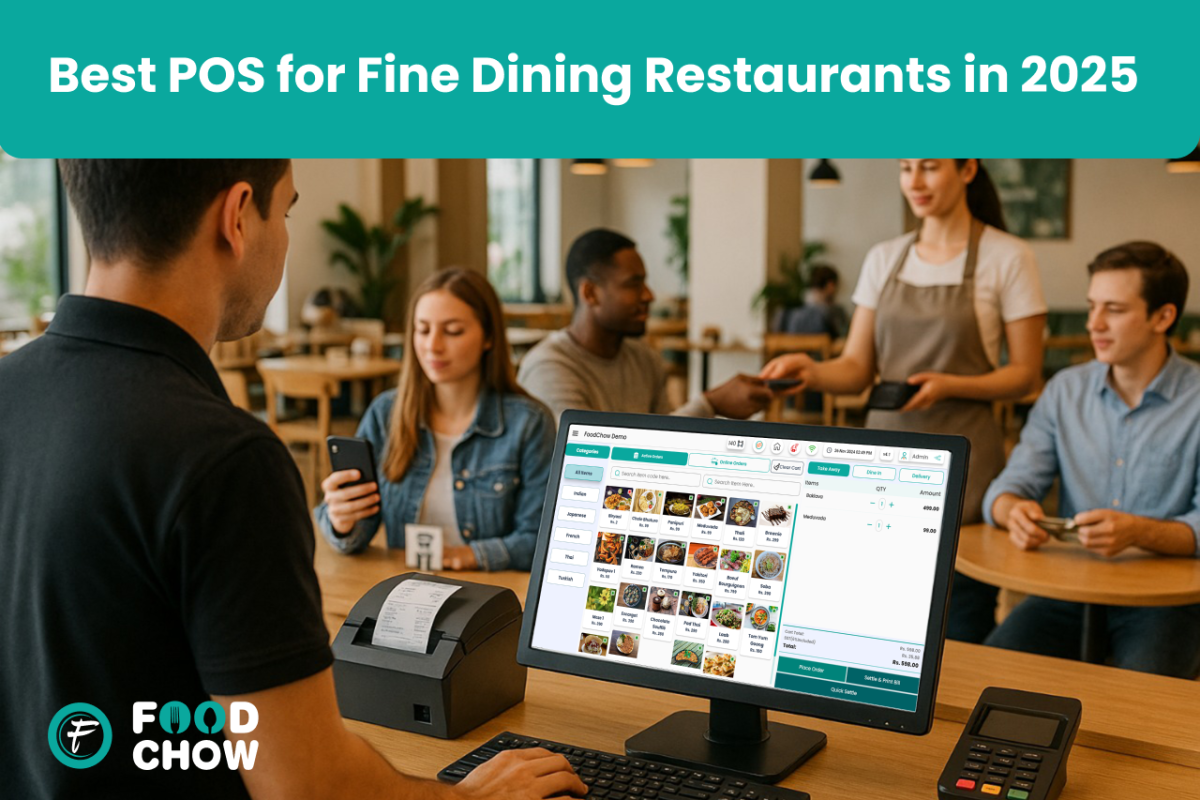
Why FoodChow Is the Best POS System for Fine Dining Restaurants in 2025
Discover the best free POS system for fine dining restaurants. FoodChow offers elegance, speed, and branded ordering—all at zero cost.
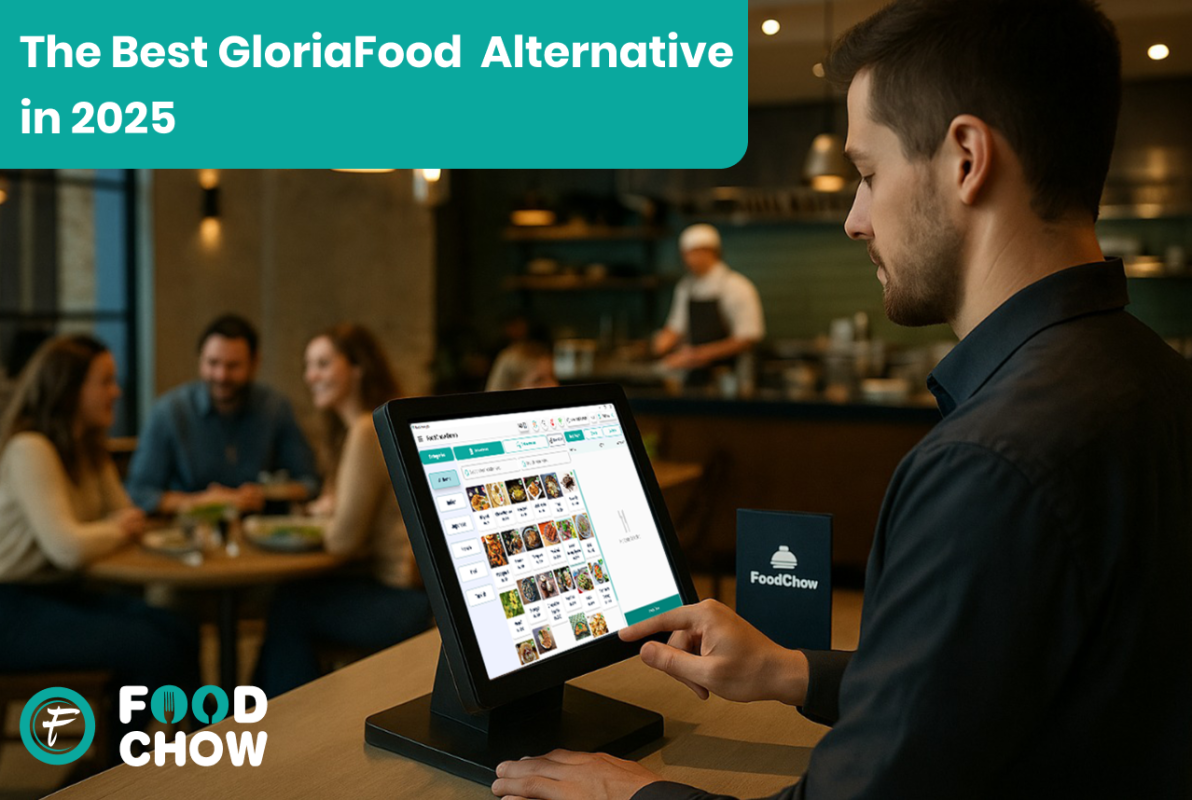
The Best GloriaFood Alternative in 2025
FoodChow isn’t just an alternative to GloriaFood—it’s a full business opportunity. Learn why resellers and white-label partners worldwide are switching to FoodChow for POS, branding, partner exclusivity, and recurring revenue.
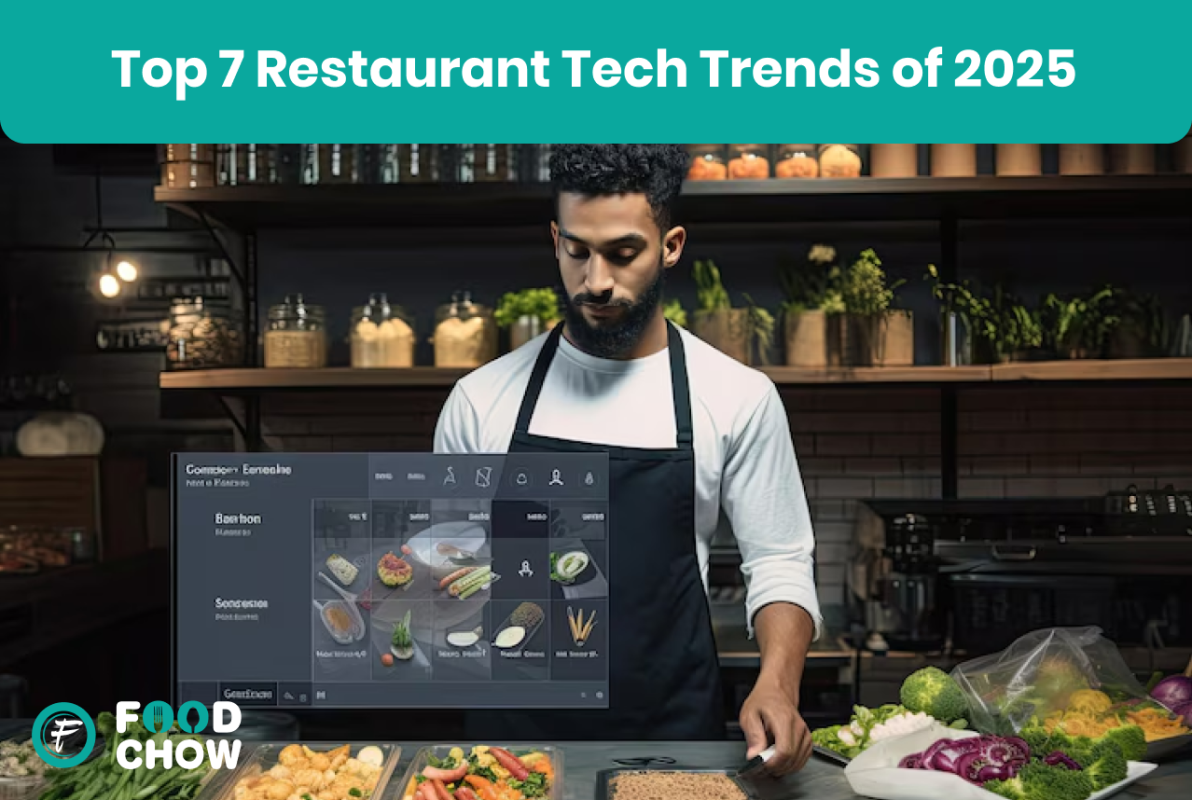
Top 7 Restaurant Tech Trends of 2025
Explore the 7 most powerful restaurant tech trends in 2025 — including contactless ordering, AI tools, and franchise cloud management. See how FoodChow makes adoption fast and affordable.
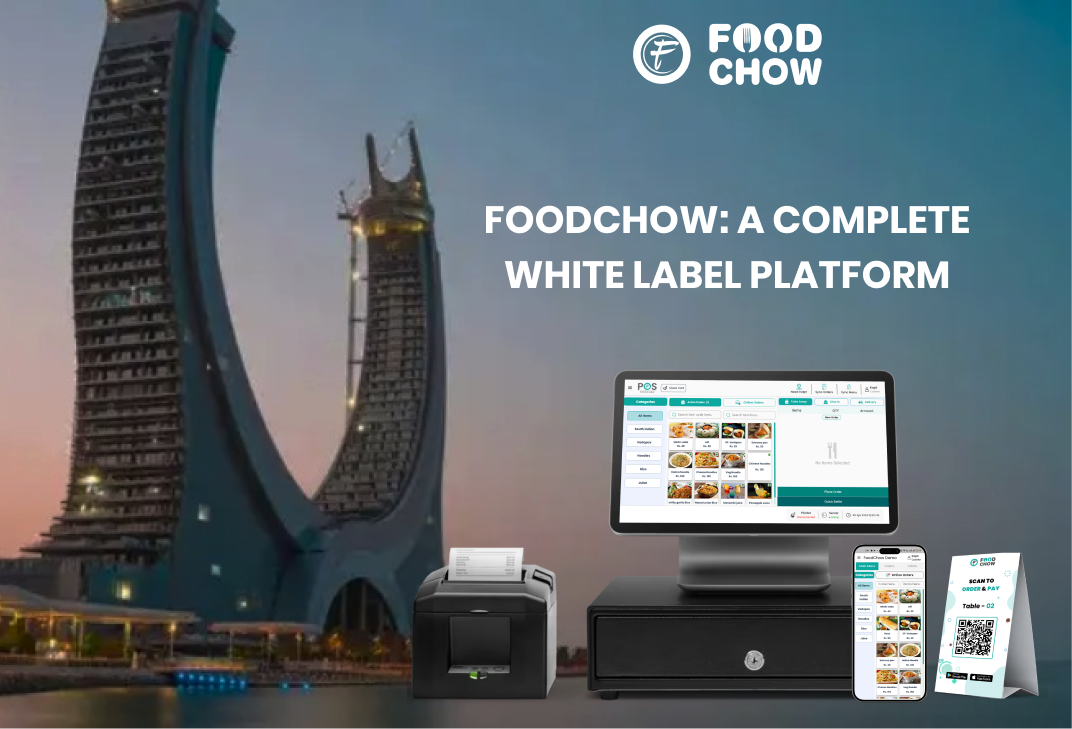
Start Your Own POS & Food Ordering System in Qatar | FoodChow
Discover how to launch your own POS and online food ordering solution in Qatar with FoodChow’s powerful white label platform. This blog explores the digital transformation of Qatar's F&B industry and explains why FoodChow is the ideal choice for entrepreneurs and restaurants looking to build a branded, commission-free, and scalable food delivery business.