Blog
Contactless Ordering System for Restaurants: Complete Guide for 2026
-
Posted by
Jigar Doriwala
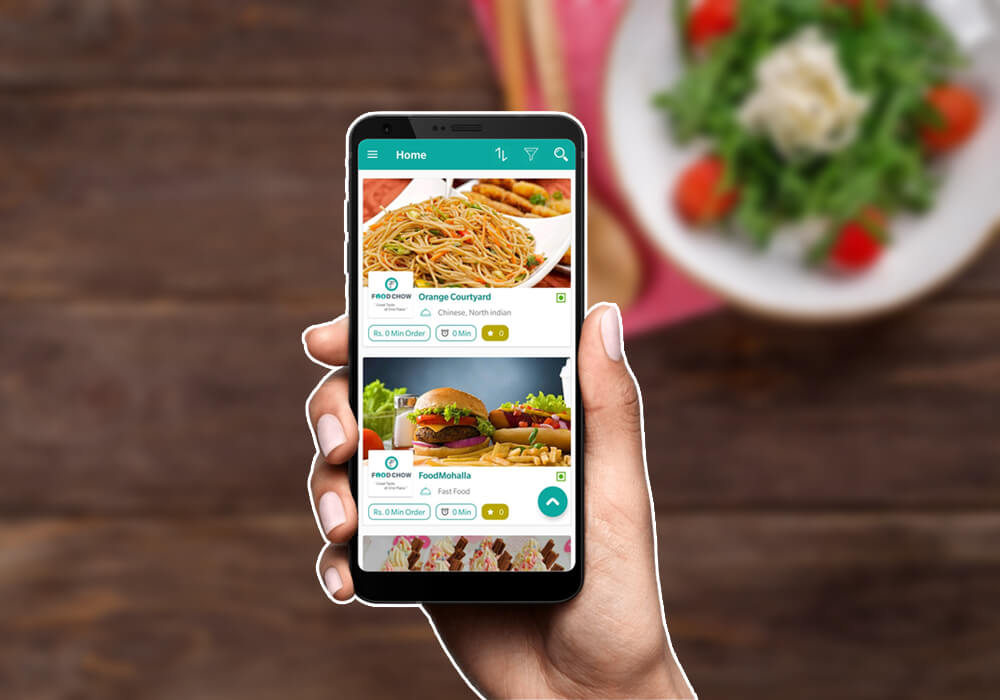
The restaurant business in India is changing. People want their food to come fast. They want it to be clean. They want it to be easy to get.. They want to be in charge of how they order and pay for their food.
By the year 2026 restaurants need to have a system that lets people order without touching anything. This is not something that restaurants can choose to have or not. It is becoming a part of how modern restaurants, cafes, quick service restaurants and cloud kitchens work.
Contactless ordering systems are helping restaurants in ways. They are reducing the number of people waiting in line. They are helping restaurants serve people at the same time. These systems are changing how restaurants work every day. This guide will explain why Indian restaurants need to have a contactless ordering system if they want to be ready for the future. Indian restaurants need contactless ordering systems to keep up with the changing times. Contactless ordering systems are the way for restaurants in India.
Why Contactless Ordering System for Restaurants Is the New Standard in 2026
The year 2026 marks a turning point where contactless ordering systems for restaurants have transitioned from a "safety feature" to an operational backbone. Indian diners, now accustomed to 10-minute grocery deliveries and seamless digital payments, no longer have the patience for slow manual service.
A contactless system isn't just about replacing paper menus with QR codes; it’s about creating a friction-free ecosystem where the customer is in control. For the restaurant owner, it represents the ultimate tool to combat rising labor costs and the perennial challenge of staff attrition.
The Real Cost of Running a Restaurant Without a Contactless Ordering System
Many restaurant owners believe that sticking to traditional pen-and-paper ordering saves money. However, the "hidden leaks" in a manual setup are draining your bottom line:
• Order Inaccuracy: Handwritten KOTs (Kitchen Order Tickets) lead to mistakes, resulting in food waste and disgruntled guests.
• The "Waiting Gap": On average, a guest waits 8–12 minutes just to catch a waiter's eye, get a menu, and place an order.
• Lost Upsell Opportunities: Staff often forget to suggest a beverage or a dessert during a rush.
• Table Turnover Stagnation: When the bill takes 15 minutes to arrive and process, you lose the ability to seat the next waiting party.
In 2026, these inefficiencies translate to a 15–20% loss in potential daily revenue.
The Shift From Traditional Ordering to Contactless Dining Solutions
Dining in India is changing fast. We used to use physical menus then we started using "digital PDF menus" which were not always easy to read and now we have contactless dining solutions that make things easier.
 New systems are connected to the restaurant's cash register. When a customer scans a QR code they do not just see a list of food they are actually looking at a list that shows what food is available, what the chef is recommending and how long it will take to get their food. This change is moving the work of writing down orders, from the waiter to the customer so your staff can focus on making customers happy by just taking orders. Contactless dining solutions are making a difference.
Why Contactless Ordering Has Become a Necessity — Not a Luxury
In the current Indian market, three factors have made this technology mandatory:
- Staffing Shortages: Finding trained, reliable floor staff is harder than ever. Contactless systems allow you to run a full floor with 30% fewer servers.
- Consumer Preference: Gen Z and Millennial diners prefer browsing menus at their own pace without a waiter hovering over them.
- Data Ownership: Traditional ordering gives you no data. Contactless systems tell you exactly who your customer is, what they like, and when they return.
Must-Have Features in a Contactless Ordering System for Restaurants
To stay competitive in 2026, your system must offer more than a basic scan. Look for these core pillars:
QR-Based Ordering & Scan-to-Order Experience
The QR code should be unique to the table number. This ensures that when a guest orders a "Butter Chicken - Extra Spicy," the kitchen knows exactly which table it goes to without manual intervention.
Digital Menu & Contactless Menu Access
A true digital menu is high-resolution, categorized, and features enticing food photography. In 2026, these menus must be dynamic—allowing you to "gray out" items that are out of stock in real-time to avoid customer disappointment.
Multiple Payment Options & No-Contact Checkout
Integration with UPI (Google Pay, PhonePe, Paytm), credit cards, and digital wallets is non-negotiable. The ability for guests to "Split the Bill" directly from their phones is a high-value feature for the Indian youth market.
Order Tracking & Kitchen Integration
Once the order is placed, it should fire directly to the KDS (Kitchen Display System) or a thermal printer. Guests should see a "Cooking" or "Ready" status on their phones, reducing the "Where is my food?" anxiety.
Customer Data & Ordering Insights
Your system should capture phone numbers (opt-in) and ordering patterns. This allows you to run targeted SMS campaigns or loyalty rewards that actually bring people back.
Common Use-Cases of Contactless Ordering in Indian Restaurants
• Dine-in Excellence: Guests sit down, scan, and order. No more waving hands to get attention.
• QSR & Food Courts: Customers scan a QR on a standee, walk around, and get a notification when their food is ready for pick-up.
• Cloud Kitchens: A QR code on the packaging of a delivery order can lead a customer to a direct-ordering web store for their next purchase, saving you heavy 30% aggregator commissions.
• Bar & Pubs: In loud environments where communication is hard, scan and order systems allow guests to re-order rounds of drinks instantly.
 How to Choose the Right Contactless Ordering System for Your Restaurant
Don't just pick the cheapest option. Evaluate based on:
• Ease of Use: Is the interface intuitive for a 60-year-old and a 20-year-old?
• Support: Does the provider offer 24/7 support during your peak dinner hours?
• Integration: Does it talk to your existing POS or accounting software?
• Scalability: Can it handle 5 tables today and 50 tables next year?
Your Ordering Experience Is Now Your Brand Experience
In 2026, your food is only half of the equation. The other half is how easy you make it for guests to enjoy that food. A clunky, manual process feels dated and frustrates the modern diner. A smooth, sleek digital ordering system for restaurants signals that your brand is forward-thinking, hygienic, and values the customer's time.
Ready to Upgrade to a Contactless Ordering System?
The transition to a contactless restaurant ordering model is no longer a "future project"—it is a present-day necessity. If you are looking to reduce staff stress, eliminate order errors, and significantly boost your daily revenue, the time to act is now.
Take the first step toward a more profitable, tech-enabled restaurant.
[Request a Free Demo] or [Start Your 14-Day Free Trial] today and see how our contactless dining solutions can transform your floor operations.
FAQs About Contactless Ordering System for Restaurants
Q: Will this replace my waiters?
A: No. It redefines their role. Instead of being "order-takers," your staff becomes "hospitality hosts" who focus on food quality and guest satisfaction.
Q: Is it expensive to set up?
A: Compared to the cost of a single wrong order or one extra staff salary, the ROI of a contactless system is usually achieved within the first 30 days.
Q: Do Indian customers actually use QR codes?
A: Absolutely. With the UPI revolution, India has the highest QR-code literacy in the world. From street vendors to luxury hotels, everyone is scanning.
Q: What if the internet goes down?
A: Most professional systems have an "Offline Mode" or a quick-sync feature that ensures your kitchen doesn't stop even if the cloud flickers.
Stop losing revenue to slow service. Join over 5,000+ Indian restaurants that have modernized their dining rooms.