
Tag Archives: Contactless Ordering system
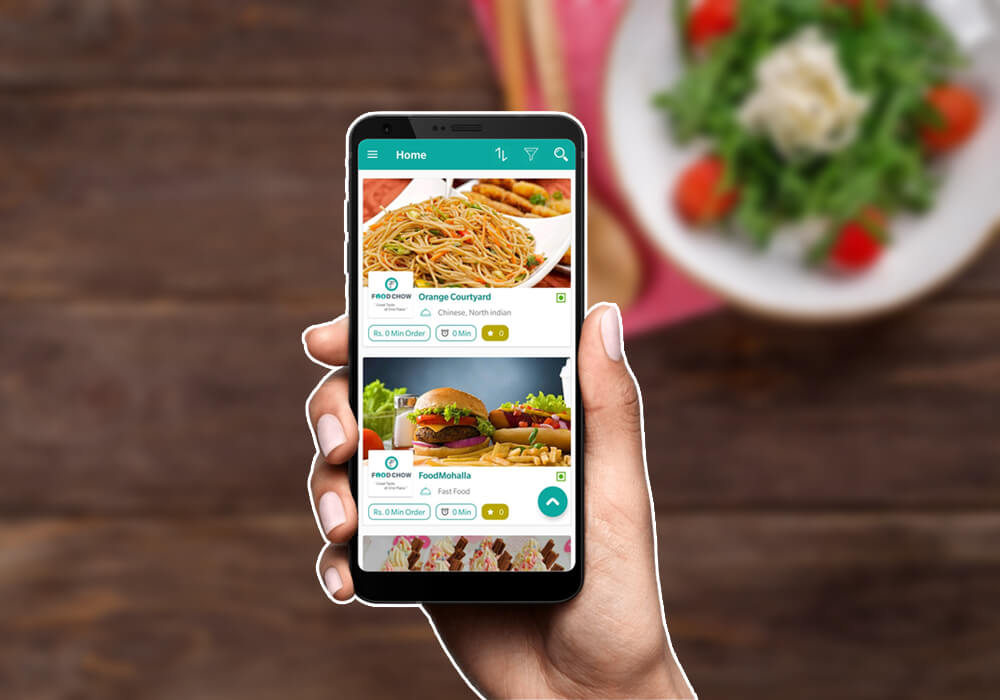
Contactless Ordering System for Restaurants: Complete Guide for 2026

The restaurant business in India is changing. People want their food to come fast. They want it to be clean. They want it to be easy to get.. They want to be in charge of how they order and pay for their food.
By the year 2026 restaurants need to have a system that lets people order without touching anything. This is not something that restaurants can choose to have or not. It is becoming a part of how modern restaurants, cafes, quick service restaurants and cloud kitchens work.
Contactless ordering systems are helping restaurants in ways. They are reducing the number of people waiting in line. They are helping restaurants serve people at the same time. These systems are changing how restaurants work every day. This guide will explain why Indian restaurants need to have a contactless ordering system if they want to be ready for the future. Indian restaurants need contactless ordering systems to keep up with the changing times. Contactless ordering systems are the way for restaurants in India.
Why Contactless Ordering System for Restaurants Is the New Standard in 2026
The year 2026 marks a turning point where contactless ordering systems for restaurants have transitioned from a "safety feature" to an operational backbone. Indian diners, now accustomed to 10-minute grocery deliveries and seamless digital payments, no longer have the patience for slow manual service.
A contactless system isn't just about replacing paper menus with QR codes; it’s about creating a friction-free ecosystem where the customer is in control. For the restaurant owner, it represents the ultimate tool to combat rising labor costs and the perennial challenge of staff attrition.
The Real Cost of Running a Restaurant Without a Contactless Ordering System
Many restaurant owners believe that sticking to traditional pen-and-paper ordering saves money. However, the "hidden leaks" in a manual setup are draining your bottom line:
• Order Inaccuracy: Handwritten KOTs (Kitchen Order Tickets) lead to mistakes, resulting in food waste and disgruntled guests.
• The "Waiting Gap": On average, a guest waits 8–12 minutes just to catch a waiter's eye, get a menu, and place an order.
• Lost Upsell Opportunities: Staff often forget to suggest a beverage or a dessert during a rush.
• Table Turnover Stagnation: When the bill takes 15 minutes to arrive and process, you lose the ability to seat the next waiting party.
In 2026, these inefficiencies translate to a 15–20% loss in potential daily revenue.
The Shift From Traditional Ordering to Contactless Dining Solutions
Dining in India is changing fast. We used to use physical menus then we started using "digital PDF menus" which were not always easy to read and now we have contactless dining solutions that make things easier.
New systems are connected to the restaurant's cash register. When a customer scans a QR code they do not just see a list of food they are actually looking at a list that shows what food is available, what the chef is recommending and how long it will take to get...
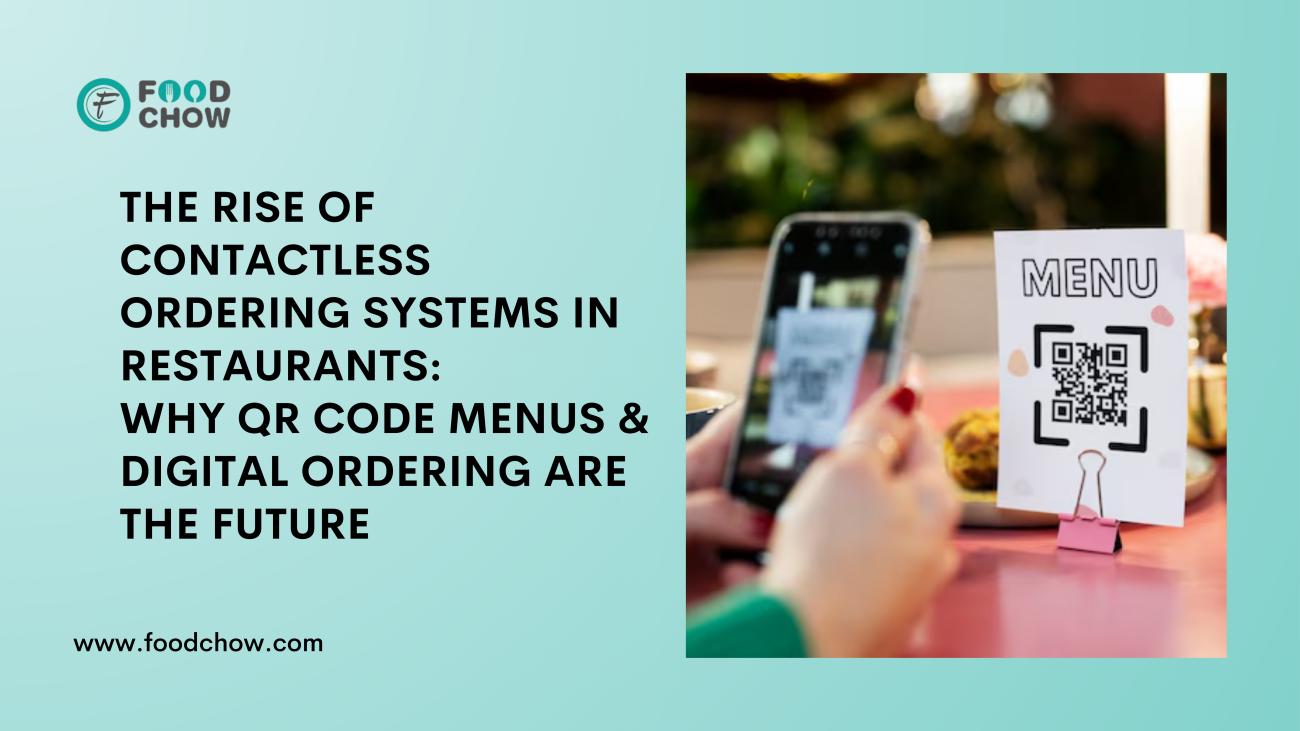
The Rise of Contactless Ordering Systems in Restaurants: Why QR Code Menus and Digital Ordering Are the Future

Introduction
The restaurant industry is evolving at a rapid pace, and the demand for contactless solutions has never been higher. From ordering food to making payments, diners now prefer experiences that minimize physical interaction. QR code menus and digital ordering systems are at the forefront of this shift. They offer a convenient, hygienic, and efficient solution for both customers and restaurant owners.
As the digital landscape continues to change, FoodChow is leading the charge in transforming how restaurants manage their ordering systems. With its innovative contactless ordering features, including QR code menus and digital ordering solutions, FoodChow is revolutionizing the restaurant experience.
Why Contactless Ordering is on the Rise
The COVID-19 pandemic accelerated the demand for touch-free experiences, and even as restrictions ease, diners continue to favor contactless options. A recent survey shows that 70% of customers prefer using QR codes to access menus, and 60% of restaurants have adopted some form of digital ordering system.
FoodChow provides restaurants with an intuitive, easy-to-implement contactless ordering system. By integrating QR code menus, FoodChow ensures that customers can place orders quickly and efficiently, reducing wait times and improving the overall dining experience.
The Advantages of QR Code Menus and Digital Ordering
Convenience for Customers: QR code menus eliminate the need for physical menus, allowing customers to access the menu instantly on their smartphones by simply scanning a code. This convenience is one of the key reasons customers prefer digital menus.
Efficiency for Restaurants: Digital ordering systems streamline the entire process, from order placement to payment. Orders are sent directly to the kitchen or POS system, reducing human error and speeding up service.
Safety and Hygiene: With no physical interaction required, QR code menus help minimize the risk of germs and bacteria transmission. This is particularly important in the post-pandemic world.
Cost-Effectiveness: Traditional paper menus are expensive to print and maintain. With digital menus, restaurants can update their offerings in real-time, eliminating the cost and waste associated with printed materials.
FoodChow’s Contactless Ordering System: FoodChow simplifies the transition to contactless ordering with its user-friendly platform. Offering customizable digital menus, real-time order tracking, and seamless integration with your POS system, FoodChow helps restaurants enhance efficiency and improve customer satisfaction.
How QR Code Menus Work in Restaurants
The process of using a QR code menu is simple and intuitive. Here’s how it works:
Customers Scan the QR Code: A customer scans the QR code displayed on their table or menu using their smartphone.
Access the Digital Menu: The QR code redirects them to a digital menu where they can browse available items, view descriptions, and check prices.
Place Their Order: Once they’ve made their choice, they can place their order directly through the platform.
Order Sent to Kitchen: The order is sent to the kitchen or POS system automatically, ensuring that it’s processed without delays.
FoodChow streamlines this process, making it quick and easy for restaurants to implement and operate QR code menus. With FoodChow, restaurants can offer an enhanced ordering experience that is both safe and efficient.
The Future of QR Code Menus and...
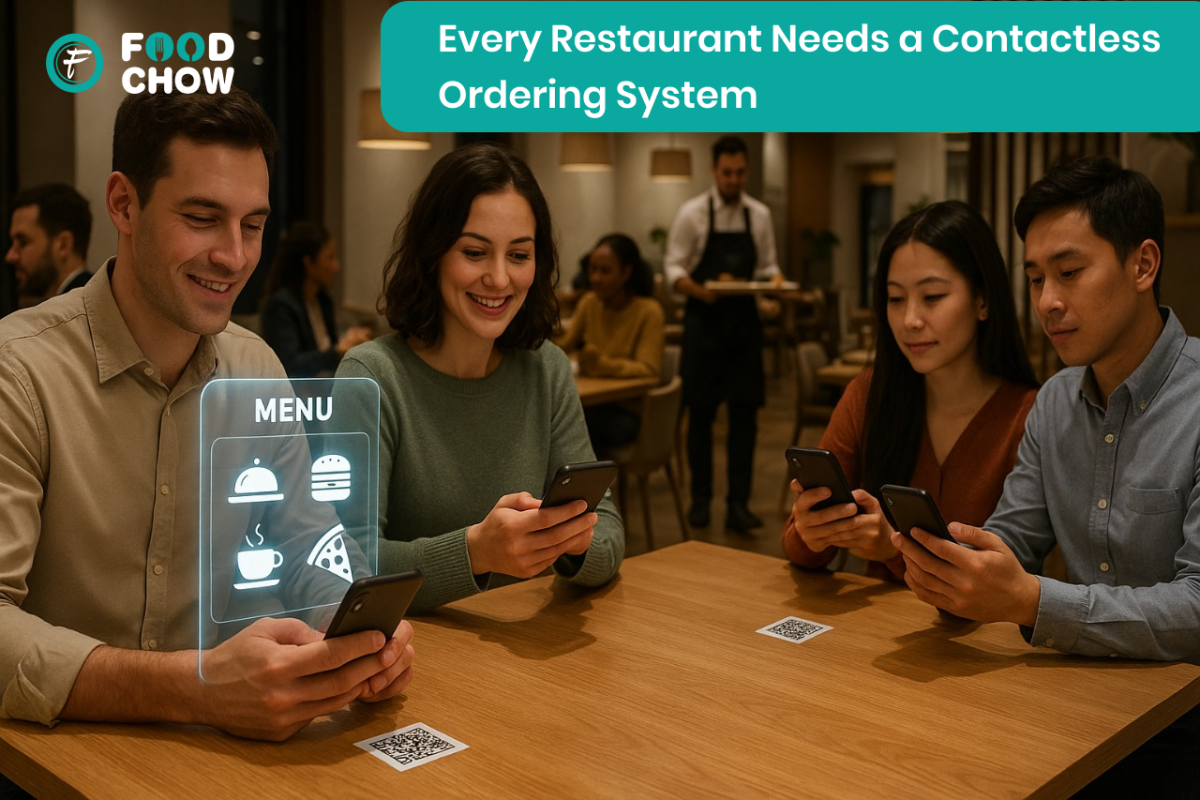
Why Every Restaurant Needs a Contactless Ordering System Today
With shifting customer preferences and rising operational costs, contactless ordering is no longer optional—it's essential. Here's why your restaurant needs it now.